Best Time of Year for Tree Trimming in Northeast Ohio
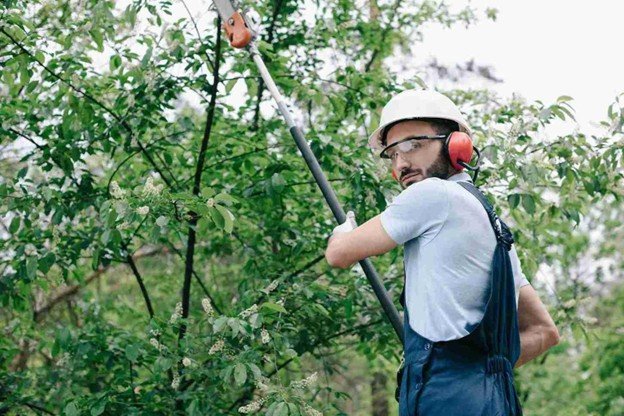
In the rolling hills of Brecksville and the surrounding communities of Broadview Heights and North Royalton, our trees are our greatest assets. They provide the “Emerald Necklace” canopy that defines our region. However, many Northeast Ohio homeowners treat tree trimming like mowing the lawn, something to be done whenever it looks “too shaggy.”
I have to tell you: trimming at the wrong time isn’t just an aesthetic mistake; it can be a death sentence for specific species. In our local climate, we deal with extreme temperature swings, heavy lake-effect snow, and specific fungal pathogens like Oak Wilt that are highly active during certain months.
Understanding the “Biological Window” for your trees is the difference between a thriving landscape and a costly emergency tree removal.
The “Golden Rule” of Northeast Ohio Tree Care: Dormant Pruning
For 90% of the trees in the Cuyahoga Valley, the absolute best time for major structural trimming is Late Winter (January through early March). In the industry, we call this Dormant Pruning.
Why Winter is Superior for Tree Health
- Disease Prevention: Many pests and fungi, such as the spores that cause Oak Wilt or the beetles that carry Dutch Elm Disease, are dormant in sub-freezing temperatures. Cutting during the winter ensures the “wound” has time to begin healing before these pathogens wake up in the spring.
- Structural Visibility: Without the dense summer foliage, our arborists can see the “skeleton” of the tree. This allows us to identify cross-branching, V-crotch splits, and hidden structural defects that are invisible in July.
- Rapid Healing: When a tree is dormant, it is storing energy in its roots. As soon as the ground thaws in the spring, that energy surges upward, allowing the tree to “callus over” the pruning cuts immediately.
Spring Trimming: Proceed with Caution
Spring in Northeast Ohio is a time of “Vessel Pressure.” As the sap begins to flow (the same process that allows for local maple syrup production), trees become “bleeders.”
The “Bleeder” Species
If you prune Maples, Birches, or Walnuts in the early spring, they will leak sap profusely. While this rarely kills the tree, it is unsightly and can attract opportunistic insects. More importantly, spring is the “Flush” period, the tree is putting all its energy into making new leaves. Heavy pruning during this stage “shocks” the system and can stunt growth for the entire season.
Experience Marker: A common pitfall we see in Brecksville is “Spring Cleaning,” where homeowners over-prune flowering trees like Dogwoods or Cherries before they bloom. If you prune these in early spring, you are cutting off this year’s flower buds. Always wait until after the petals fall for these species.
Summer Trimming: Risk of “Sunscald” and Pests
Summer trimming should generally be limited to “The Three Ds”: Dead, Damaged, or Diseased wood.
The Danger of Oak Wilt (April – July)
In Northeast Ohio, we have a strict rule: Do not prune Oak trees between April 15th and July 15th. * The Entity: Nitidulid beetles are attracted to the fresh sap of a pruned Oak. These beetles carry the spores of Oak Wilt, a fungal disease that can kill a mature Red Oak in a single service season.
- The Strategy: If an Oak branch breaks during a summer storm, it must be addressed, but the wound should be immediately sealed with tree paint—the only time we recommend using wound dressings—to hide the scent from the beetles.
Fall Trimming: The Worst Time for Your Trees
Many homeowners want to “tuck their trees in for the winter” by trimming in October or November. From a biological standpoint, this is the worst possible timing.
Decay and Fungal Spores
Fall is the season when fungi release their spores. When you make a pruning cut in the fall, you are providing a fresh entry point for decay-causing organisms at a time when the tree is entering dormancy and cannot heal the wound.
Furthermore, pruning stimulates growth. A warm “Indian Summer” in November might trick a freshly pruned tree into sending out new shoots. When the first “Polar Vortex” hits in December, that new growth will freeze and die, causing dieback deep into the main branch.
Seasonal Trimming Priority Matrix
| Species Type | Best Window | Worst Window | Reason |
| Oaks | Dec – Feb | April – July | Oak Wilt Pathogens |
| Fruit Trees | Feb – March | Late Spring | Fruit Production / Fire Blight |
| Evergreens | Early Spring | Fall | Moisture Retention |
| Maples | Late Summer | Early Spring | Sap Bleeding |
| Deadwood | Anytime | Never | Safety Hazard |
The Exception: When Timing Doesn’t Matter
There is one category of tree care where the calendar is irrelevant: Hazard Abatement.
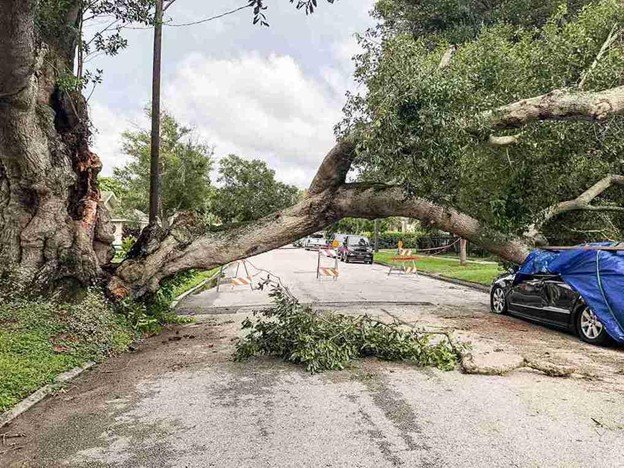
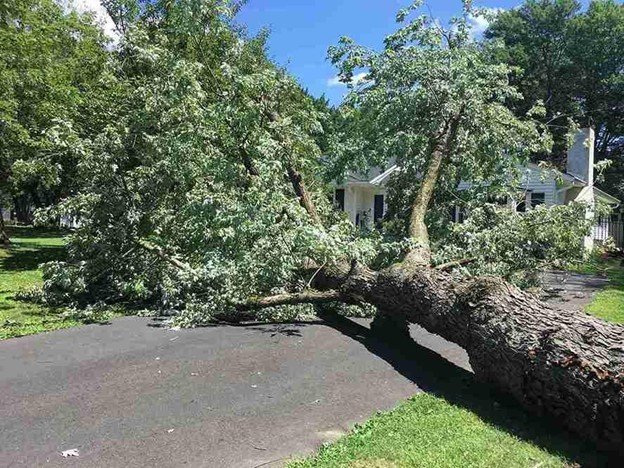
If you have a storm-damaged limb hanging over your roof, or if a branch is interfering with power lines, the risk of failure outweighs the risk of improper timing. In these cases, we perform “Surgical Pruning” to remove the danger while minimizing the stress to the tree.
How to Schedule Your Maintenance
To maximize the lifespan of your canopy and the value of your property, we recommend a Bi-Annual Cycle:
- Late Winter: Major structural pruning and thinning to prepare for spring growth.
- Mid-Summer: A “Safety Check” after the first round of summer storms to remove any “hangers” or deadwood that appeared during the leaf-out.
At All Seasons Tree Pros, we understand the specific rhythms of the Ohio climate. We don’t just show up with a saw; we evaluate the species, the season, and the specific micro-climate of your property near the Cuyahoga Valley.
Is your canopy ready for the coming season? Contact us today for a free Seasonal Health Assessment. We can help you build a multi-year pruning plan that ensures your trees remain an asset, not a liability.